
About this guide
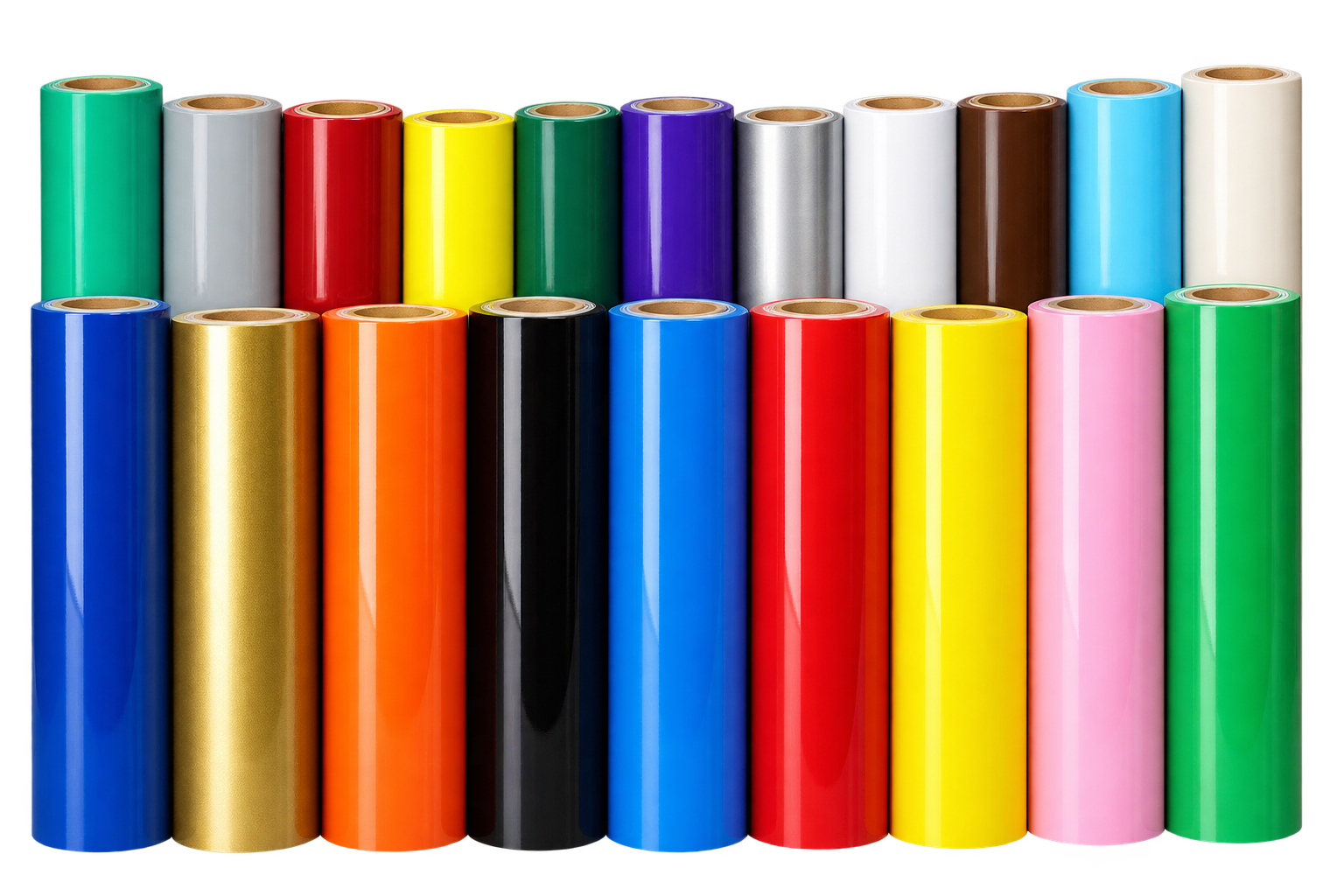
Heat transfer vinyl is film you cut and press onto shirts. Smooth heat transfer is for names and numbers. Flock is the raised blue, red, and silver film for team kits.
In this guide
- Pick the heat transfer vinyl for the cloth
- Press so the print survives the wash
- Names and numbers for a full season
- Smooth HTV and flock are different films
- Wash one shirt before the full order
- Cut heat transfer vinyl on the vinyl cutter you already have
- Quick Comparison
- Which One Should You Follow?
1. Pick the heat transfer vinyl for the cloth
What it is
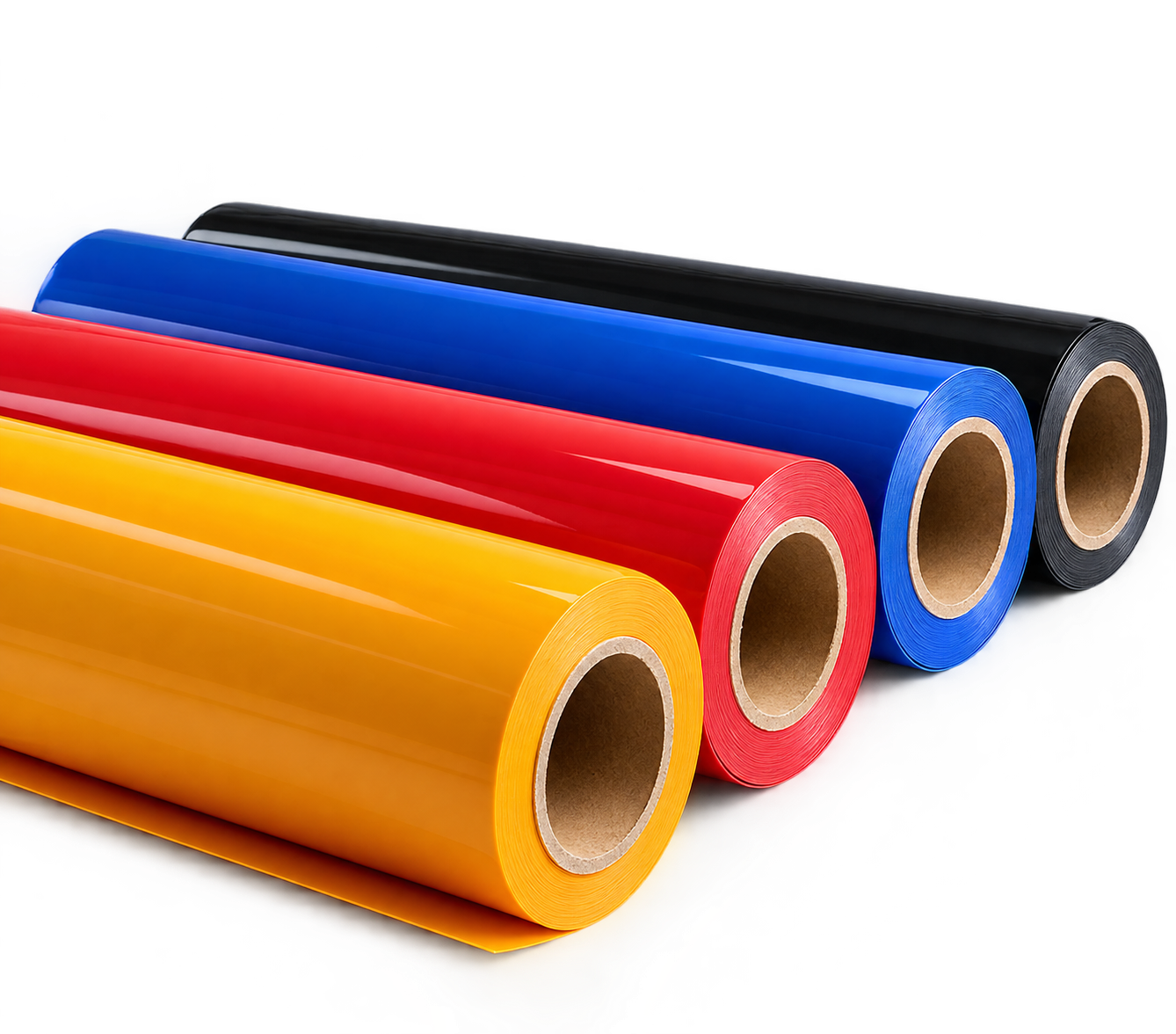
A cricket jersey and a cotton t-shirt do not want the same heat transfer vinyl.
Points to check
- Smooth HTV is the everyday film for names and numbers.
- Flock — the blue, red, and silver rolls — gives a raised, sporty look on team kits.
- Flock looks wrong on a thin fashion tee if you press it too hot.
2. Press so the print survives the wash
What it is
Temperature, time, and pressure work together. Change one and the edges lift.
Points to check
- Heat the garment first to push moisture out. Steam is a quiet reason the film peels.
- Press, then peel warm or cold exactly as that roll says.
- Use a finishing sheet for a second press on large numbers.
3. Names and numbers for a full season
What it is
Jersey printing is the same font, the same size, and many mirrored cuts.
Points to check
- Set the vinyl cutter blade for that heat transfer vinyl, not for yesterday’s radium job.
- Weed on a clean table and stack names in shirt order.
- The person at the heat press should not hunt for a number while the press is hot.
4. Smooth HTV and flock are different films
What it is
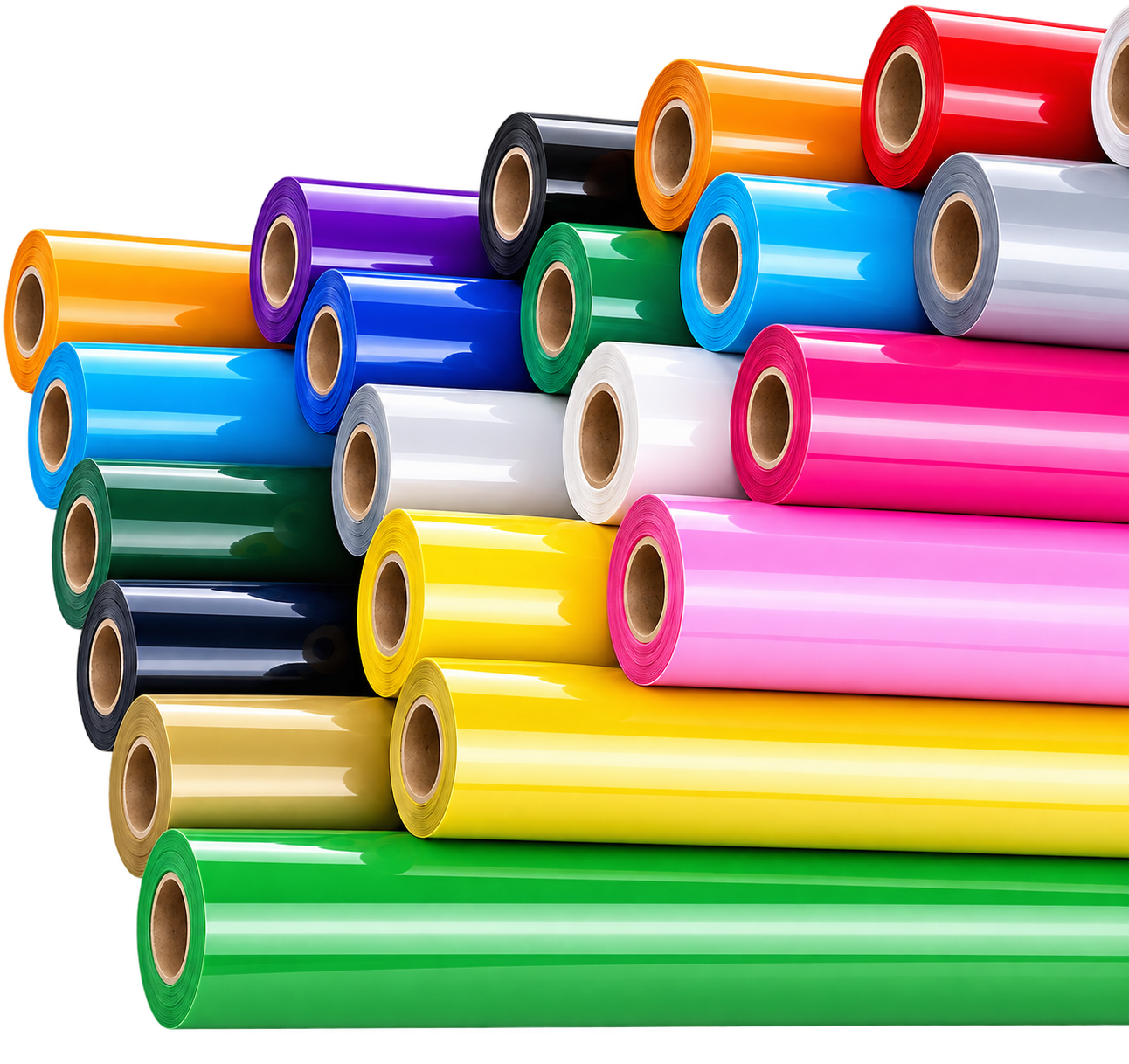
Smooth heat transfer vinyl is the daily film for cotton names and numbers.
Points to check
- Flock belongs on kits that want a sporty face.
- Do not copy a cotton temperature onto a thin tee.
- Write the temperature, time, and peel type on the sample liner, and keep that sample next to the press.
5. Wash one shirt before the full order
What it is
If you have not washed a sample, the job is not finished.
Points to check
- Before a school or club order, wash one finished shirt the way the player will.
- Use a normal machine wash. If the edge lifts, fix the press before you print thirty jerseys.
- A second press helps large numbers sit down. It will not save a film that was never matched to the cloth.
6. Cut heat transfer vinyl on the vinyl cutter you already have
What it is
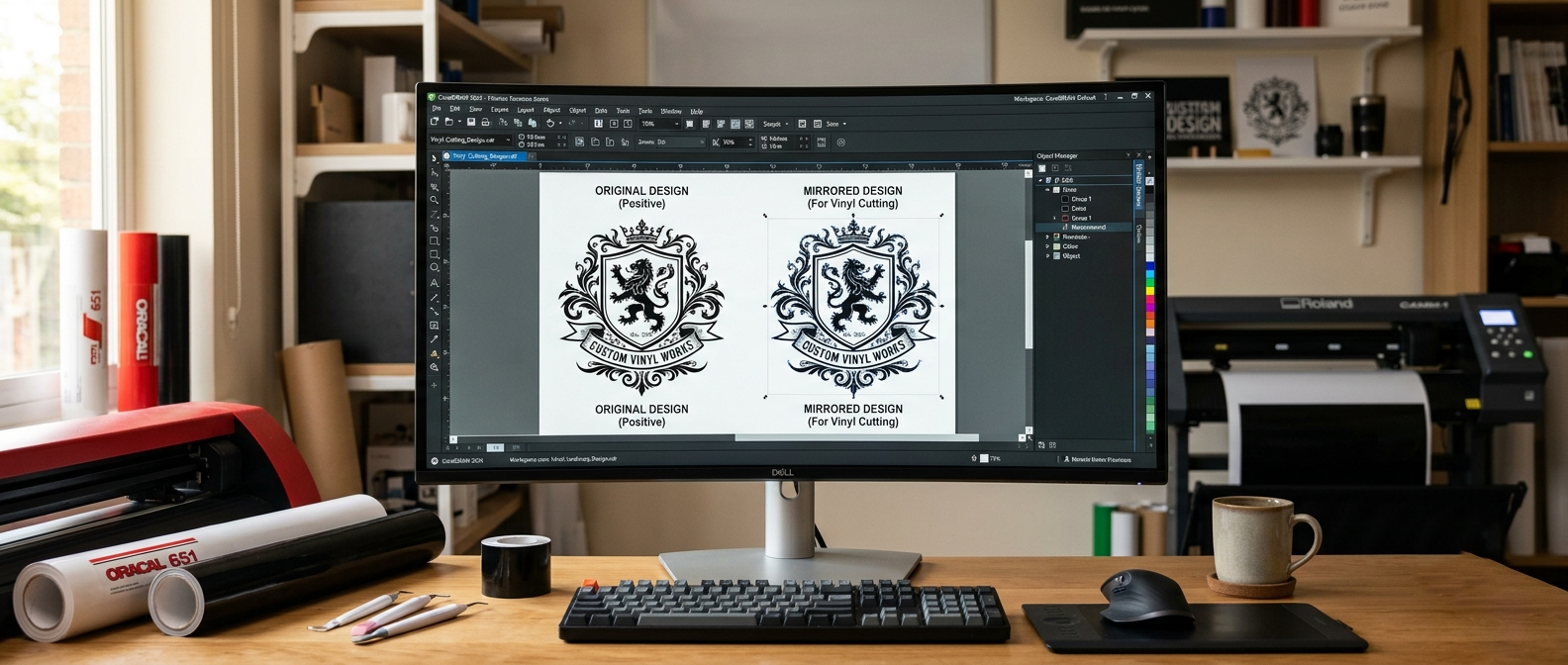
Heat transfer vinyl is a cut job with the design mirrored.
Points to check
- A vinyl cutter with a fresh 45° blade is enough for t-shirt and jersey names.
- You do need a clean blade. A blade that has been cutting radium will damage the HTV liner.
- If the shop also runs a DTF printer, keep heat transfer vinyl for solid names and DTF for full-colour prints.
Heat transfer vinyl is a cut job with the design mirrored.
Quick Comparison
At a glance — the points in this guide, in the same order as the sections above.
| Point | What to check |
|---|---|
| Pick the heat transfer vinyl for the cloth | A cricket jersey and a cotton t-shirt do not want the same heat transfer vinyl. |
| Press so the print survives the wash | Temperature, time, and pressure work together. Change one and the edges lift. |
| Names and numbers for a full season | Jersey printing is the same font, the same size, and many mirrored cuts. |
| Smooth HTV and flock are different films | Smooth heat transfer vinyl is the daily film for cotton names and numbers. |
| Wash one shirt before the full order | If you have not washed a sample, the job is not finished. |
| Cut heat transfer vinyl on the vinyl cutter you already have | Heat transfer vinyl is a cut job with the design mirrored. |
Which One Should You Follow?
Heat transfer vinyl for t-shirt and jersey printing
Pick the heat transfer vinyl for the cloth
→ T-shirt vinyl
Smooth HTV is the everyday film for names and numbers.
Press so the print survives the wash
→ T-shirt vinyl
Heat the garment first to push moisture out. Steam is a quiet reason the film peels.
Names and numbers for a full season
→ T-shirt vinyl
Set the vinyl cutter blade for that heat transfer vinyl, not for yesterday’s radium job.
Smooth HTV and flock are different films
→ T-shirt vinyl
Flock belongs on kits that want a sporty face.
Wash one shirt before the full order
→ T-shirt vinyl
Before a school or club order, wash one finished shirt the way the player will.
Cut heat transfer vinyl on the vinyl cutter you already have
→ T-shirt vinyl
A vinyl cutter with a fresh 45° blade is enough for t-shirt and jersey names.